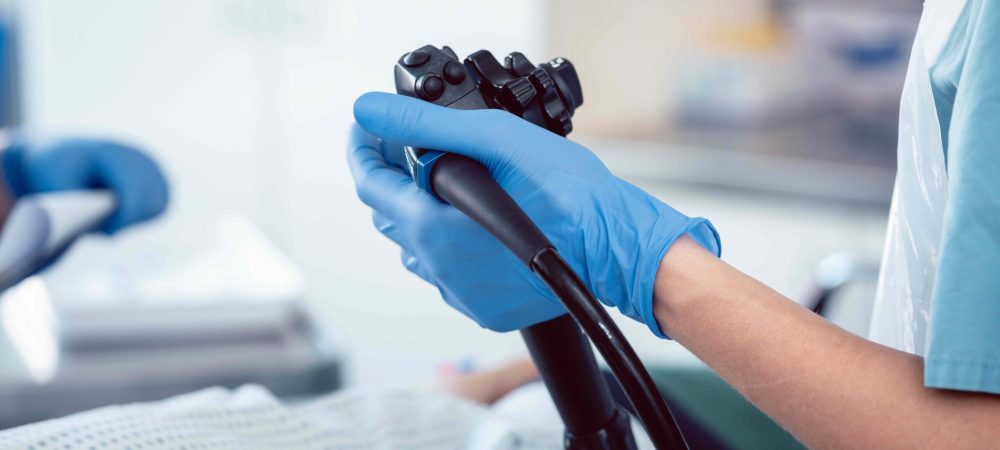
Close up of gloved hand holding a colonoscopy tool

March is Colorectal Cancer Screening Month

March is National Colorectal Cancer Awareness month, and there are several things you should know in order to take preventive measures and proactive steps to keep you healthy now and into the future. 

What is colorectal cancer?

Colorectal cancer is cancer that starts in your digestive system, notably the colon or rectum. While colorectal cancer may feel difficult to talk about with your provider, with open conversations and screenings, it’s also a highly treatable cancer when detected early. 

A common misconception is that colorectal cancer is more prevalent in older populations, but recent data shows that’s not true. The American Cancer Society’s 2023-2025 Colorectal Facts & Figures report showed that 20% of cases were in people younger than 54 years old (which almost doubled in a 25-year period). Additionally, according to the Colorectal Cancer Alliance, colorectal cancer is the deadliest cancer in people under 50 and the second deadliest overall. Following CDC guidelines, we recommend that an average risk patient, with no family history, starts colorectal screening at the age of 45. 

What are common symptoms of colorectal cancer?

The biggest thing to pay attention to is your bowel habits. A change doesn’t necessarily signal colorectal cancer, but it does prompt a need for an evaluation. For example, hemorrhoids or IBS may cause some of the symptoms below – which is why consultation and screenings are key. 

Some other symptoms of colorectal cancer include: 

  • Rectal bleeding 
  • Ongoing abdominal pain and discomfort 
  • Changing bowel habits (e.g. diarrhea, constipation, change in stool consistency) 
  • Unexplained weight loss 

How do you screen for colorectal cancer?

There are a handful of screening options out there for colorectal cancer, but the gold standard is a traditional colonoscopy. For this procedure, a patient is sedated and a scope is inserted through the rectum into the colon to check for polyps and gather tissue samples as needed. Typically, this outpatient procedure lasts anywhere from 30-60 minutes, and our patients tell us the preparation is typically the most challenging part. 

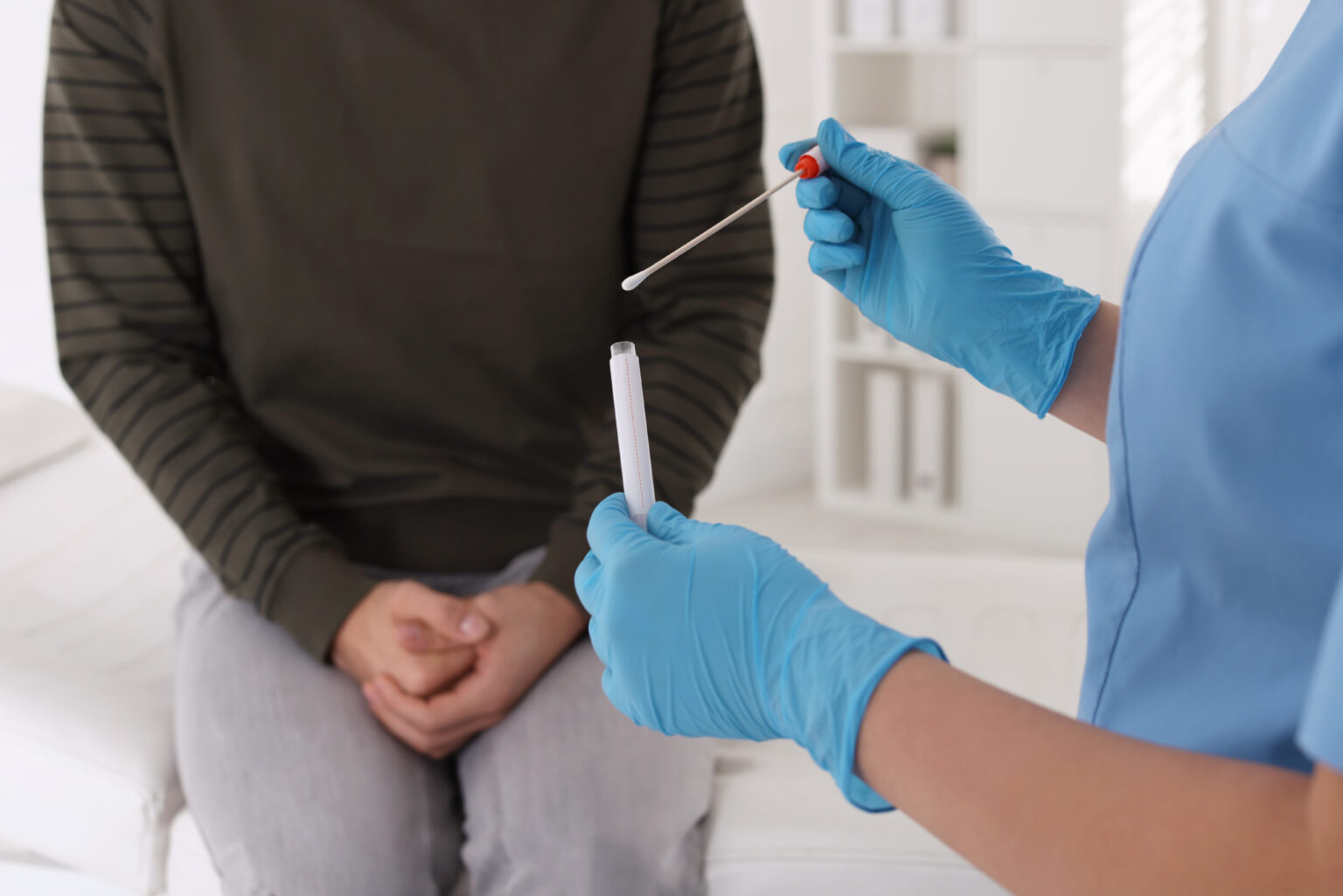
Additionally, for patients that may not be ready for a full colonoscopy, simple stool tests can be ordered to check for blood or abnormalities within the stool. 

What steps can be taken to help reduce the risk of colorectal cancer?

  • Exercise regularly. 
  • Reduce your alcohol intake. 
  • Maintain a high fiber diet. 
  • Limit your intake of red meats and processed foods like bacon, ham and deli meat. 
  • Stop smoking or vaping. 

Take the first step by scheduling an appointment.

Talking about cancer can be scary. Talking about cancer down there can be even scarier. The good news is that colorectal cancer can be treatable when caught early. If you’ve had symptoms that are concerning, talk to your provider about the right screening options for you.  

This post was written by Dr. Richard, NP (Sports Medicine Specialist and Family Medicine), Dena Shaban, RDN (Registered Dietician), Marianne Manubag (Nurse Practitioner), Dr. Gill, Dr. White and Dr. Vo with Prince William Family Medicine

New to FFPC? Find a location near you.

Call today to schedule an appointment.

703-726-0003

20905 Professional Plaza, #330

Ashburn, VA 20147


703-722-2312

22895 Brambleton Plaza, #200

Brambleton, VA 20148


703-263-9600

6201 Centreville Rd, #100

Centreville, VA 20121


703-481-1505

381 Elden St, #1000

Herndon, VA 20170


703-339-7550

8988 Lorton Station Blvd, #201

Lorton, VA 22079


703-257-8090

8100 Ashton Ave, #101

Manassas, VA 20109


703-766-5040

24430 Stone Springs Blvd #400

Dulles, VA 20166


703-834-1473

11800 Sunrise Valley Dr, #700

Reston, VA 20191


 703-255-9100

115 Park St SE, #300

Vienna, VA 22180

Recent Posts